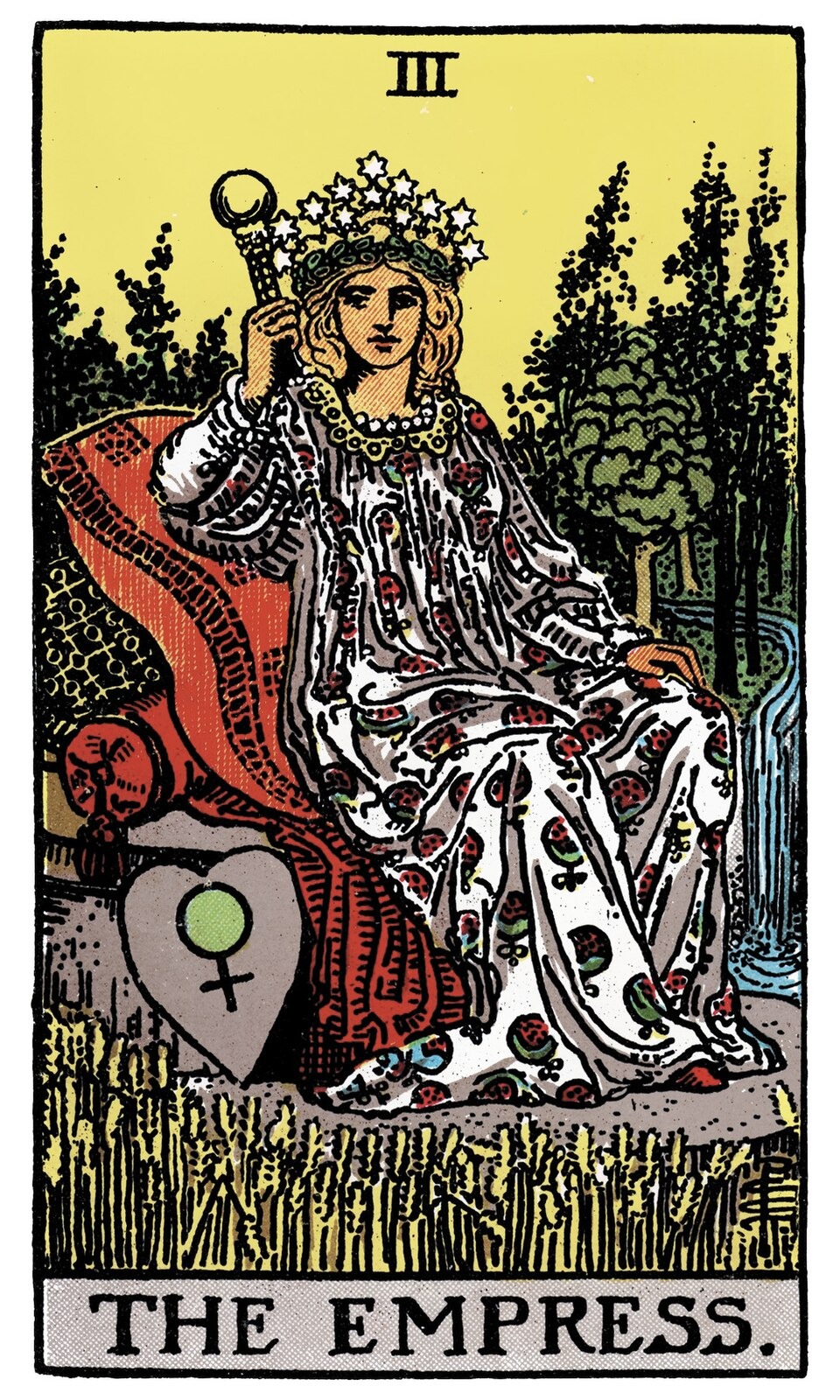
If you’ve ever pulled tarot cards and thought, “I know this means something… but I can’t fully explain it,” you’re not alone.
Learning how to start a tarot journal for beginners is one of the most powerful ways to:
- Strengthen your intuition
- Remember and understand your readings
- Build confidence in your tarot interpretations
- Track emotional, spiritual, and personal growth over time
Whether you’re new to tarot or building a consistent practice, this guide will show you exactly how to start a tarot journal step-by-step, with prompts you can use immediately.

What Is a Tarot Journal?
A tarot journal is a dedicated space where you record your tarot readings, interpretations, and reflections.
But over time, it becomes something more powerful:
- A mirror of your inner world
- A record of your growth and patterns
- A personalized tarot guide built from your own experience
Instead of memorizing meanings, you begin to develop your own relationship with the cards.
Why Tarot Journaling Deepens Your Practice
Tarot was never meant to be purely memorized.
In The Pictorial Key to the Tarot, Arthur Edward Waite emphasizes symbolic interpretation and intuitive engagement with imagery rather than rigid definitions.
Similarly, Aleister Crowley, in The Book of Thoth, presents tarot as a layered system of psychological and spiritual meaning.Tarot journaling is how you experience those meanings personally.
Strengthen Your Intuition
Writing your impressions before checking meanings helps you trust your inner voice first.
Recognize Patterns and Repeating Cards
You’ll begin to notice:
- Cards that show up during certain emotional cycles
- Recurring themes in love, career, or personal growth
- Long-term patterns you wouldn’t otherwise catch
Build Confidence in Tarot Readings
The more you write, the more your interpretations become:
- Clear
- Consistent
- Uniquely yours

What You Need to Start a Tarot Journal
You don’t need anything elaborate to begin.
Simple tarot journaling setup:
- A notebook or digital journal (Notion, Day One, etc.)
- Your tarot deck
- Optional: oracle deck, crystals, stickers
The goal is a consistent tarot journaling practice, not a perfect one.
How to Start a Tarot Journal (Step-by-Step)
Step 1: Pull a Card or Simple Spread
Start with:
- A daily one-card pull
- A simple 3-card tarot spread
Step 2: Record the Basics
Write down:
- Date
- Deck used
- Cards pulled
Step 3: Describe What You See First
Before looking up meanings:
- What stands out visually?
- What emotions come up?
- What feels important?
This step builds intuitive tarot reading skills.
Step 4: Interpret the Reading
Ask:
- What do these cards mean for my current situation?
- What message is coming through?
Step 5: Reflect on Your Life
This is where tarot becomes personal.
- How does this apply to me right now?
- What am I being asked to notice, release, or embrace?
Step 6: Use Tarot Journal Prompts
This is where your journal becomes transformational.
Tarot Journal Prompts for Beginners
Use these prompts to deepen your tarot readings:
- What is this reading trying to show me that I may be avoiding?
- Where in my life does this energy already exist?
- What action (or inaction) is being highlighted?
- What emotion is surfacing, and why?
- What would it look like to fully trust this message?

5-Minute Daily Tarot Journaling Practice
If you want a simple and sustainable routine:
- Pull 1 tarot card;
- Write 3 sentences:
- What I see
- What I feel
- What I think it means
This is one of the easiest ways to build a daily tarot journaling habit.
Tarot Journaling with Moon Phases (Optional Ritual Practice)
Aligning your tarot journal with lunar cycles can deepen your practice:
- New Moon Tarot Journaling: manifestation, intention-setting, new beginnings
- Full Moon Tarot Journaling: release, emotional clarity, reflection
This transforms tarot journaling into a spiritual ritual practice.
Crystal Pairings for Tarot Journaling
Enhance your tarot journaling sessions with:
- Amethyst: intuition, clarity, spiritual insight
- Clear Quartz: amplification, focus, awareness
- Green Aventurine: growth, emotional healing, abundance
Best Tarot Decks for Journaling
If you’re starting your tarot journaling journey:
- A Rider–Waite–Smith deck (or clone) for clear symbolism
- An intuitive deck you feel emotionally connected to
- Optional: oracle deck for additional reflection

Continue Your Tarot Practice
Explore more on Astro Tarot Co.
- New Moon in Taurus Tarot Spread for Manifestation
- Full Moon in Scorpio Tarot Spread for Shadow Work (Coming soon)
- Tarot Spread for Manifestation and Abundance
- The Empress Tarot Card Study
- The Hierophant Tarot Card Study
External References/Sources
- The Pictorial Key to the Tarot – Arthur Edward Waite
- The Book of Thoth – Aleister Crowley
Final Thoughts
Your tarot journal doesn’t need to be aesthetic, perfect, or even consistent every day.
What matters is this:
You show up, pull cards, and listen to yourself honestly.
Over time, your tarot journal becomes:
- A record of your growth
- A reflection of your inner world
- A guide you created for yourself
Save this guide and return to it anytime you want to reconnect with your tarot practice.
-Madame Solstice-

Leave a comment